
Understanding the Difference Between a Timing Belt and a Serpentine Belt
When it comes to vehicle maintenance, belts play a critical role in keeping your engine running smoothly. Two of the most important are the timing belt and the serpentine belt. While they may sound similar, they serve very different purposes. Understanding the difference between a timing belt and a serpentine belt, and knowing when to replace them, can help you avoid expensive engine repairs and unexpected breakdowns.
At Steve’s Imports, we specialize in professional belt inspection and replacement services to keep your vehicle reliable and road-ready.
What Is a Timing Belt?
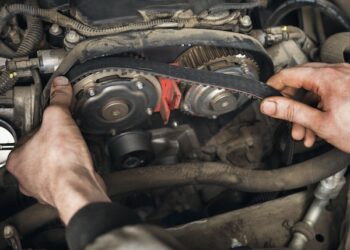
The timing belt is located inside your engine and plays a vital role in engine performance. It synchronizes the rotation of the crankshaft and camshaft, ensuring that the engine’s valves open and close at the correct times during each cylinder’s intake and exhaust strokes.
In many vehicles, especially interference engines, the timing belt is critical. If it fails, the pistons and valves can collide, often resulting in severe engine damage.
Typical Timing Belt Replacement Interval
Most manufacturers recommend replacing a timing belt between:
- 60,000 to 100,000 miles, depending on the vehicle make and model
Always check your owner’s manual or consult a trusted auto repair shop for your specific interval.
What Happens If a Timing Belt Fails?
A broken timing belt can cause:
- Engine misfires
- A vehicle that won’t start
- Severe internal engine damage
- Bent valves or damaged pistons
- Complete engine failure
Because failure can be catastrophic, preventive timing belt replacement is far more affordable than major engine repairs.
What Is a Serpentine Belt?
The serpentine belt (also called a drive belt) is located outside the engine and powers several essential components, including:
- Alternator
- Power steering pump
- Air conditioning compressor
- Water pump (in some vehicles)
Unlike the timing belt, the serpentine belt is easier to access and typically less expensive to replace.
Typical Serpentine Belt Replacement Interval
Most serpentine belts last:
- 50,000 to 100,000 miles
However, they should be inspected regularly during routine maintenance.
What Happens If a Serpentine Belt Fails?
If your serpentine belt breaks, you may notice:
- Loss of power steering
- Battery warning light
- Overheating engine
- Squealing noises
- Vehicle stalling
While serpentine belt failure usually doesn’t cause internal engine damage as a timing belt can, it can leave you stranded and cause overheating if not addressed quickly.
Key Differences Between a Timing Belt and a Serpentine Belt
| Timing Belt | Serpentine Belt |
|---|---|
| Controls engine timing | Powers external engine accessories |
| Located inside the engine | Located outside the engine |
| Failure can cause major engine damage | Failure typically causes loss of accessories |
| Higher replacement cost | Lower replacement cost |
| Strict replacement intervals | Replace based on wear and mileage |
Both belts are essential to your vehicle’s performance, but the consequences of neglect are very different.
Warning Signs of Belt Wear
Whether it’s your timing belt or serpentine belt, early warning signs shouldn’t be ignored.
Common belt wear symptoms include:
- Squealing or chirping noises
- Cracks or fraying on the belt
- Glazing or shiny belt surface
- Engine misfires
- Rough idling
- Difficulty starting
- Dashboard warning lights
- Visible belt damage
Routine belt inspections during oil changes or scheduled maintenance can help detect wear before it turns into a bigger problem.
Why Preventive Belt Replacement Matters
Many drivers delay belt replacement because everything seems “fine.” However, belts often fail without much warning. Replacing them at recommended intervals helps:
- Prevent costly engine damage
- Avoid roadside breakdowns
- Maintain proper engine performance
- Improve vehicle reliability
- Protect your investment
At Steve’s Imports, our experienced technicians provide thorough inspections and honest recommendations. We specialize in foreign and domestic vehicles and follow manufacturer guidelines to ensure proper timing belt and serpentine belt replacement.
Schedule Belt Service at Steve’s Imports
If your vehicle is approaching its recommended belt replacement interval, or you’re unsure when it was last replaced, it’s time to have it inspected.
Steve’s Imports provides professional timing belt replacement, serpentine belt replacement, and complete engine maintenance services. Our team is committed to quality workmanship, transparency, and keeping your vehicle running safely.
Contact Us Today
Call us or schedule your appointment online to ensure your vehicle stays dependable for miles to come. Preventive maintenance today can save you thousands in repairs tomorrow.