
When Should You Repair Your Brakes? Common Symptoms Explained
Your vehicle’s braking system is one of the most important safety features on your car. Whether you drive a European import, a luxury vehicle, or a daily commuter, properly functioning brakes are essential for protecting you, your passengers, and everyone else on the road.
At Steve’s Imports, we specialize in professional brake repair and maintenance for import vehicles. Knowing the early warning signs of brake problems can help you avoid expensive repairs and, more importantly, prevent dangerous driving situations.
Below, we’ll walk through the most common signs your brakes need repair, explain the difference between routine brake maintenance and serious brake issues, and help you understand when it’s time to schedule a brake inspection.
Common Signs Your Brakes Need Repair
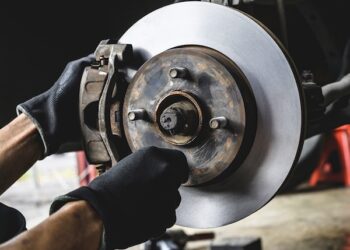
1. Squeaking or Squealing Noises
A high-pitched squealing sound when you apply the brakes is one of the earliest signs of brake wear. Most brake pads are designed with a built-in wear indicator that creates this noise when the pads are getting thin.
If the squealing continues or becomes louder over time, it may be time for a brake pad replacement. Ignoring this warning can lead to damage to the rotors, which makes repairs more expensive.
2. Grinding Sounds
If you hear grinding when braking, this usually indicates that the brake pads are completely worn down. When this happens, metal presses against metal, potentially damaging your brake rotors.
Grinding is a sign you likely need immediate brake repair service, not just routine maintenance. Driving in this condition can compromise your vehicle’s stopping ability and lead to costly rotor replacement.
3. Vibrations or Pulsing When Braking
If your steering wheel or brake pedal vibrates when you slow down, your brake rotors may be warped. This commonly happens from excessive heat buildup or prolonged brake wear.
Vibrations can affect your stopping performance and should be evaluated by a professional auto repair shop as soon as possible.
4. Soft or Spongy Brake Pedal
A brake pedal that feels soft, spongy, or goes close to the floor before engaging may indicate:
- Air in the brake lines
- Brake fluid leaks
- Failing master cylinder
This is not something to ignore. A soft brake pedal is a serious safety concern and requires immediate brake system inspection and repair.
5. Dashboard Brake Warning Light
Modern vehicles, especially European imports, are equipped with brake warning systems. If your brake light or ABS warning light comes on, it could signal:
- Low brake fluid
- Worn brake pads
- ABS malfunction
Even if your car feels normal, warning lights should always be diagnosed by a qualified technician.
6. Longer Stopping Distance
If your car takes longer to stop than usual, that’s a clear sign your braking performance has declined. Reduced stopping power can result from worn pads, damaged rotors, or hydraulic system issues.
Any noticeable change in braking performance should be inspected immediately for your safety.
Routine Brake Maintenance vs. Serious Brake Repair
Understanding the difference between maintenance and repair helps you stay proactive.
Routine Brake Maintenance
Routine brake service typically includes:
- Brake pad replacement
- Rotor resurfacing or replacement
- Brake fluid flush
- Brake inspection
Most vehicles need brake pad replacement every 30,000–70,000 miles, depending on driving habits and vehicle type. Staying on top of routine brake maintenance helps prevent larger, more expensive problems.
Serious Brake Repair Needs
More extensive brake repairs may involve:
- Replacing warped or damaged rotors
- Repairing brake fluid leaks
- Replacing calipers
- Master cylinder repair
- ABS diagnostics
These issues go beyond normal wear and often impact overall brake performance and vehicle safety. Early detection is key to avoiding total brake system failure.
Why Early Brake Inspections Matter
Delaying brake repairs can lead to:
- Higher repair costs
- Reduced fuel efficiency
- Unsafe driving conditions
- Damage to other brake components
Scheduling regular brake inspections at a trusted import auto repair shop like Steve’s Imports ensures your vehicle stays safe and performs as designed.
Our experienced technicians specialize in European and import brake repair, using high-quality parts and manufacturer-recommended procedures to maintain your vehicle’s reliability and performance.
Schedule Brake Service at Steve’s Imports
If you’re experiencing squeaking brakes, vibrations, warning lights, or changes in stopping power, don’t wait.
Steve’s Imports provides professional:
- Brake pad replacement
- Brake rotor service
- Brake fluid flush
- ABS diagnostics
- Complete brake repair for import vehicles
Your safety is our priority.
Contact Us Today
Call Steve’s Imports to schedule your brake inspection. We offer convenient, trusted import auto repair specialists. Protect your vehicle and your peace of mind with expert brake service you can rely on.